
- Karen Bramwell OBE
- 2026 Summer Two Trust Newsletter
- 2026 Spring Two FA1 Trust Newsletter
- 2026 Spring One- Learn with FA1 Newsletter
- 2026 Spring One- FA1 Trust Newsletter
- 2025-Autumn Two- FA1 Trust Newsletter
- 2025-Autumn One- FA1 Trust Newsletter
- 2025 Spring Two- FA1 Trust Newsletter
- 2025 Spring- Learn with FA1 Newsletter
- 2025 Autumn Two- Learn with FA1 Newsletter
- 2025 Autumn One- Learn with FA1 Newsletter
- 2024-Autumn-FA1 Trust Newsletter
- 2024 Summer- Learn with FA1 Newsletter
- 2024 Spring- Learn with FA1 Newsletter
- 2024- Spring- FA1 Trust Newsletter
- 2023-Autumn- FA1 Trust Newsletter
- 2023 Summer- FA1 Trust Newsletter
- 2023 Autumn- Learn with FA1 Newsletter
How to Become a Primary School Teacher
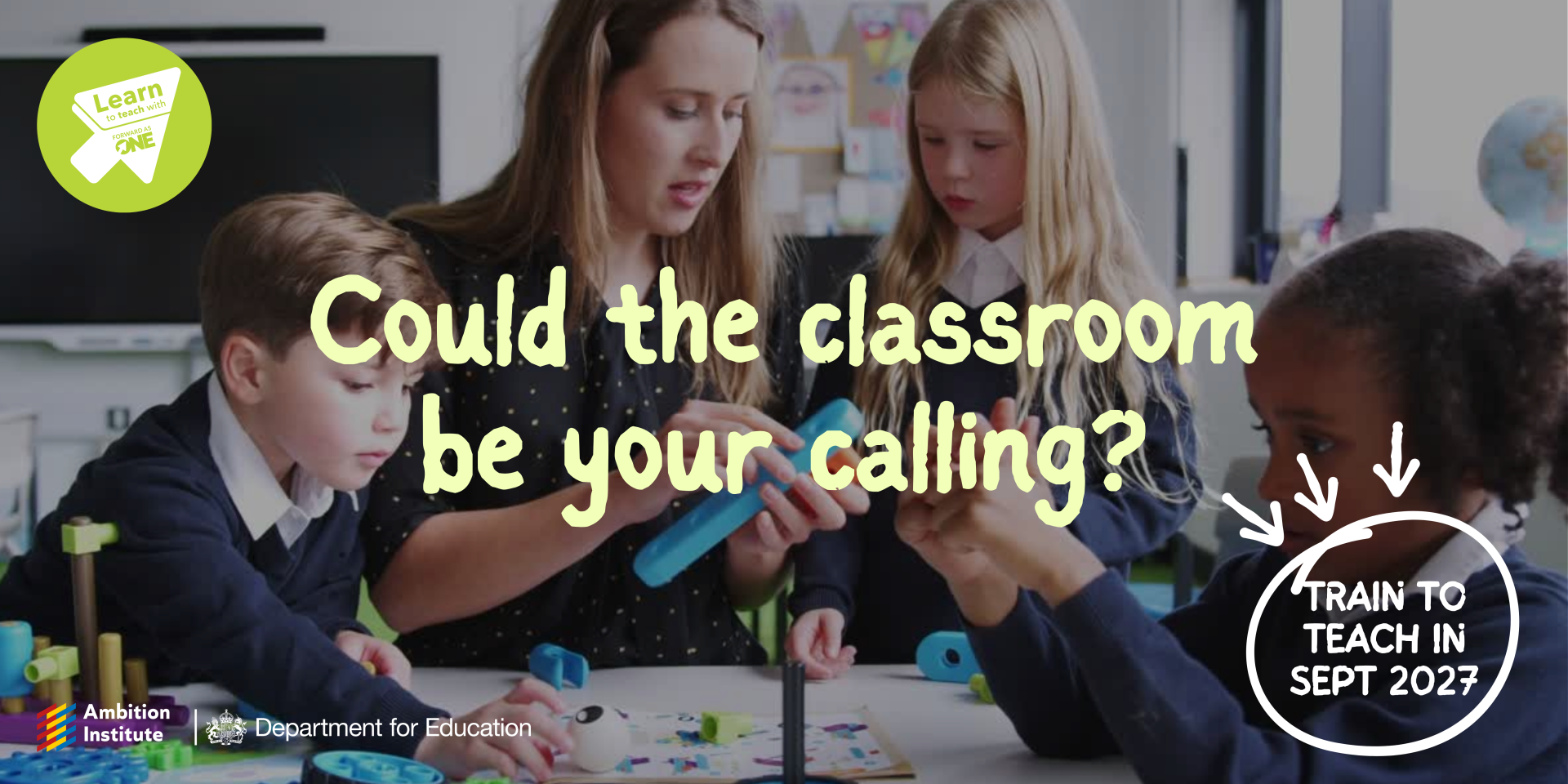
If you've ever considered a career where no two days are the same and your work genuinely makes a difference, becoming a primary school teacher could be the perfect next step.
Whether you're a recent graduate, a teaching assistant looking to take the next step, or considering a career change, there are several routes into teaching that can help you achieve Qualified Teacher Status (QTS).
This guide explains everything you need to know about becoming a primary school teacher, including the qualifications you'll need, the benefits of the profession and how to start your teacher training journey.
Apply now for the September 2027 cohort!
Why become a primary school teacher?
Teaching is one of the most rewarding careers you can choose. As a primary school teacher, you'll have the opportunity to inspire young minds, build confidence in children and help shape their future from the very beginning of their educational journey.
Primary teaching can be particularly appealing if you enjoy variety. Unlike secondary teachers who typically specialise in one subject, primary teachers usually teach a broad range of subjects, from mathematics and English to history, geography, art and science.
You'll also play an important role in creating a nurturing and supportive environment where children feel safe, valued and motivated to learn. Every day brings new challenges, achievements and opportunities to make a positive impact and allow children to flourish.
What age groups do primary teachers teach?
Primary education covers children aged 4 to 11 and is divided into three key stages of learning.
Early Years Foundation Stage (Reception)
Reception classes support children aged 4 to 5 as they begin their educational journey, helping them develop communication, social and early literacy skills through structured play and learning.
Key Stage 1 (Years 1 and 2)
Children aged 5 to 7 continue building core skills in reading, writing and mathematics while developing their understanding of the wider curriculum.
Key Stage 2 (Years 3 to 6)
Pupils aged 7 to 11 expand their knowledge across a broad range of subjects and begin preparing for the transition to secondary education.
Many teachers discover a preference for a particular age group as they gain classroom experience, but teacher training provides opportunities to work across different year groups.

5 reasons to become a primary school teacher
There are a huge number of reasons why to get into teaching. Listed below are some of the most common reasons we see.
Make a Lasting Difference Every Day
One of the biggest motivations for becoming a teacher is the opportunity to make a genuine difference in children's lives.
From helping a pupil master a difficult concept to building their confidence or supporting them through challenges, your influence can have a lasting impact long after they leave your classroom. Every interaction contributes to a child's development and future success.
Teaching also allows you to make a positive contribution to your school community, working alongside colleagues and families to support children both academically and personally.
“It’s really worth it, when you see the children shine and reap those benefits and see them progress, it is really worth it” - September 2024 Graduate
A Great Career for Career Changers
Many people assume they need to start teaching straight after university, but this isn't true.
Every year, people from a wide range of professional backgrounds successfully train to become teachers. Experience gained in previous careers often brings valuable skills into the classroom, including communication, leadership, organisation, teamwork and problem-solving.
Whether you've worked in business, healthcare, retail, administration or another sector, the knowledge and experience you've developed can help you build strong relationships with pupils and become an effective teacher.
Your career change could be exactly what inspires the next generation.
Excellent Opportunities for Career Progression
Teaching offers a clear and rewarding career pathway with opportunities for professional growth at every stage.
After gaining QTS, you may choose to develop expertise in a particular subject, become a phase leader, move into senior leadership or even work towards becoming a headteacher.
There are also specialist roles available in areas such as behaviour and inclusion, special educational needs, curriculum development and teacher training.
For those who enjoy continuous learning and development, teaching provides a career with long-term opportunities and progression.
Bring Creativity into Your Work
Primary teaching allows you to bring learning to life through engaging lessons, interactive activities and creative approaches to the curriculum.
While you'll follow the National Curriculum, there is plenty of scope to design exciting learning experiences that help children develop curiosity, confidence and a love of learning.
Whether it's storytelling, practical science investigations, outdoor learning or creative projects, you'll have opportunities to make learning memorable for your pupils.
Competitive Salary, Pension and Holidays
Alongside the personal rewards of teaching, there are also many practical benefits.
Once you achieve QTS and secure your first teaching role, you'll begin earning a competitive salary with opportunities for progression throughout your career. Teachers also benefit from membership of the Teachers' Pension Scheme, one of the largest public sector pension schemes in the UK.
In addition, teachers enjoy school holiday periods throughout the year, providing valuable time to rest, recharge and spend time with family and friends.
While teaching is a demanding profession that requires planning and preparation, many teachers value the balance, stability and long-term career prospects the profession offers.
Become a Primary School Teacher in the North West Today
How to become a primary school teacher
If you're ready to start your teaching career, there are several steps you'll need to take before beginning teacher training.
Step 1: Check your qualifications
To train as a primary school teacher, you'll typically need:
- GCSE Grade 4 (C) or above in English, Mathematics and Science
- A bachelor's degree (usually 2:2 or above)
- The right to study and work in the UK
If you do not currently have the required GCSEs, you may be able to meet the entry requirements through recognised equivalency tests.
Step 2: Gain School Experience
Spending time in a school can provide valuable insight into the realities of teaching and help confirm that it's the right career path for you.
Many aspiring teachers choose to volunteer, work as a teaching assistant or attend a school experience day before applying.
- Observe lessons
- See how teachers manage a classroom
- Get a feel for a specific school and trust
- Speak to school staff and meet pupils
- Learn more about teacher training, including the specifics of the course
If you’re interested in an experience day, please get in touch with our Learn team for more information.
Step 3: Apply for Teacher Training
Applications for teacher training typically open during the academic year for courses starting the following September.
Choosing the right provider is important. You'll want a course that combines high-quality training, experienced mentors and extensive classroom experience.
At Learn with FA1, you'll train in a school based in the North West while benefiting from expert support through our partnership with Ambition Institute.
Step 4: Complete Your Teacher Training
During your training year, you'll combine classroom placements with professional studies, gradually developing the knowledge and practical skills needed to become an effective teacher.
You'll receive support from experienced mentors and have opportunities to teach across different age groups and settings.
Step 5: Achieve Qualified Teacher Status (QTS)
Successfully completing your teacher training will allow you to gain QTS, enabling you to begin your teaching career and secure a teaching position in schools across England.
Train to Teach with Learn with FA1
At Learn with FA1, we're passionate about developing the next generation of outstanding primary teachers.
Through our partnership with Ambition Institute, you'll benefit from evidence-informed training, expert mentoring and extensive classroom experience in supportive school environments across the North West.
Whether you're graduating from university, currently working as a teaching assistant or considering a career change, our Initial Teacher Training programme can help you gain QTS and take the first step towards a rewarding career in education.
Ready to start your teaching journey?
- Gain hands-on classroom experience from day one
- Learn alongside experienced teachers and mentors
- Train in supportive schools across the North West
- Achieve Qualified Teacher Status (QTS)
Frequently Asked Questions About Becoming a Primary School Teacher
Can I Become a Primary School Teacher Without Experience?
Yes, you can become a primary school teacher without experience. While previous classroom experience can be helpful, it is not always essential when applying for teacher training. Many successful trainees begin their journey without having worked in a school before.
However, gaining some school experience before applying can help you understand the realities of the profession, build confidence and strengthen your application. This could include volunteering, attending a school experience day or working as a teaching assistant.
At Learn with FA1, we can help prospective trainees gain valuable insight into school life through our school experience opportunities.
Can a Teaching Assistant Become a teacher?
Absolutely. In fact, many primary teachers begin their careers as teaching assistants.
Working as a TA provides valuable classroom experience and helps you develop many of the skills needed for teaching, including behaviour management, communication, lesson support and building positive relationships with pupils.
If you're currently working as a teaching assistant and would like to take the next step in your career, teacher training can help you gain QTS and move into your own classroom.
Read more on How to Go from Teaching Assistant to Teacher.
Do I Need a Teaching Degree to Become a Primary School Teacher?
No. Most teachers do not have a degree specifically in education or teaching.
To train as a primary school teacher, you'll usually need a bachelor's degree in any subject, alongside the required GCSE qualifications. Many trainees come from backgrounds such as business, science, psychology, history, sport or the arts.
Teacher training programmes are designed to provide the professional knowledge and classroom experience needed to become an effective teacher, regardless of your degree subject.
Is Primary Teaching a Good Career?
Many people choose teaching because it combines meaningful work with long-term career opportunities.
As a primary school teacher, you'll have the opportunity to make a lasting difference to children's lives, develop professionally throughout your career and work as part of a supportive school community. Teaching also offers clear progression routes into leadership, specialist and mentoring roles.
For those who enjoy working with children, making an impact and continually learning, primary teaching can be an incredibly rewarding career.
How Much Do Primary School Teachers Earn?
Teacher salaries vary depending on experience, responsibilities and location. As a newly qualified teacher, you'll begin on a competitive salary that increases as you gain experience and progress through your career.
Additional opportunities for higher earnings are available through leadership positions such as subject leadership, phase leadership, assistant headship and headship roles.